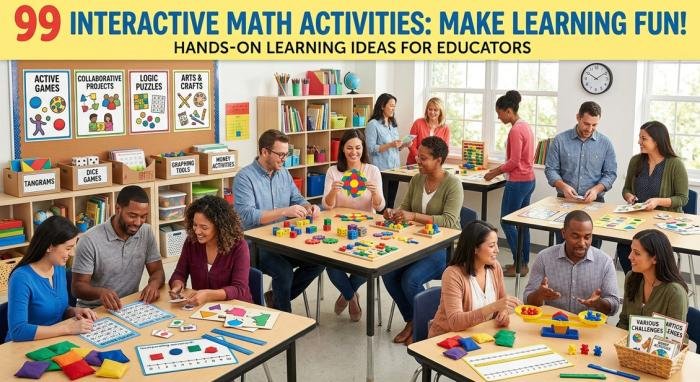
99 Math Activities That Make Learning More Interactive
Interactive learning has transformed the way students engage with mathematics. Traditional worksheets and repetitive drills still have value, but modern learners often respond better to activities that combine education with excitement. This is where 99 math stands out. By blending game-based learning, friendly competition, and real-time participation, it helps students practice math skills in a more engaging environment.
Whether you are a teacher looking for new classroom strategies, a student who wants to improve math skills, or an educational institution exploring digital learning tools, this guide will show how interactive activities can make a significant difference.We will explore the best 99 math activities, their benefits, and practical ways to use them effectively.
Read More: Google Block Breaker Gameplay, Tips, and Tricks
What Is 99 Math?
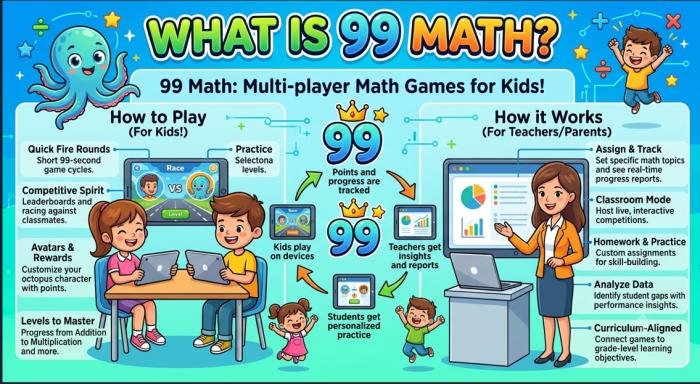
99 math is an online educational platform designed to make math practice more interactive and enjoyable. It allows students to participate in live math challenges, compete with classmates, and receive instant feedback on their performance.
Unlike traditional learning methods, the platform focuses on engagement through gamification. Students can join competitions, answer questions in real time, and track their progress while improving their mathematical abilities.
Why Students Enjoy Interactive Math Learning
Students often find it difficult to stay motivated when math lessons become repetitive. Interactive learning solves this challenge by introducing:
- Friendly competition
- Instant rewards and feedback
- Real-time participation
- Team collaboration
- Engaging game mechanics
Benefits for Teachers:
- Saves lesson preparation time
- Provides performance insights
- Encourages classroom participation
- Supports different learning styles
- Makes assessment easier
Benefits of Using 99 Math Activities
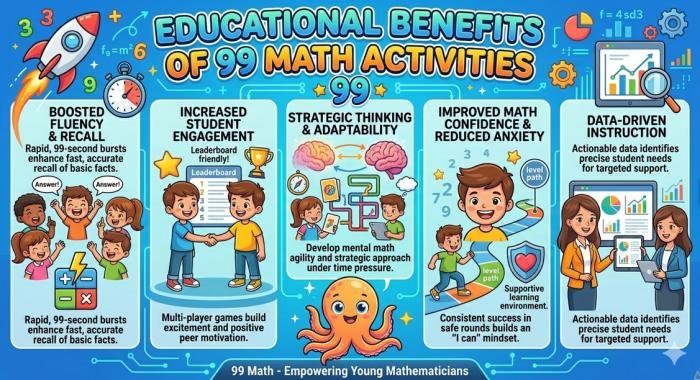
Interactive activities offer more than entertainment. They create meaningful learning experiences that improve both engagement and academic performance.
1. Improves Student Engagement: One of the biggest advantages of 99 math is its ability to keep students actively involved. Interactive games transform passive learners into active participants.
2. Encourages Healthy Competition: Competition can motivate students to perform better. By participating in challenges, students often push themselves to improve their speed and accuracy.
3. Builds Confidence: Instant feedback helps learners recognize their strengths and work on weaknesses. Small achievements can significantly boost confidence.
4. Enhances Problem-Solving Skills: Many activities require quick thinking and logical reasoning, helping students strengthen essential problem-solving abilities.
5. Supports Personalized Learning: Students learn at different speeds. Interactive activities allow learners to progress according to their individual skill levels.
15 Best 99 Math Activities That Make Learning More Interactive
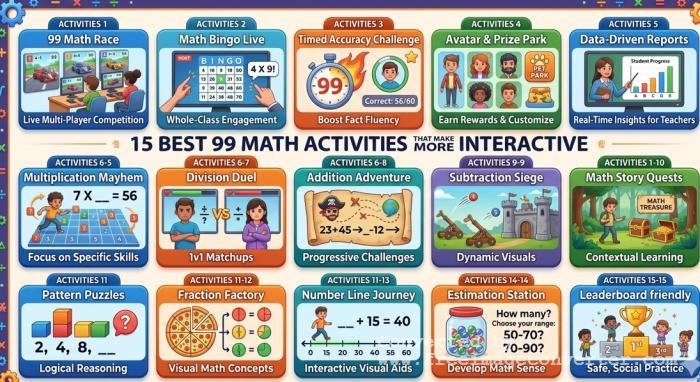
1. Live Multiplayer Math Challenges
Live multiplayer competitions are among the most popular 99 math activities. Students answer questions simultaneously while competing against classmates. The excitement of seeing results in real time keeps everyone engaged. Benefits:
- Increased participation
- Immediate feedback
- Enhanced focus
2. Speed Calculation Competitions
Speed-based competitions challenge students to solve problems quickly and accurately.These activities improve mental math skills and encourage faster thinking.
3. Classroom Math Tournaments
Teachers can organize weekly tournaments where students earn points across multiple rounds. Tournament-style learning creates anticipation and motivation.
4. Daily Warm-Up Challenges
Starting each lesson with a quick challenge prepares students for learning. Benefits include:
- Improved concentration
- Better classroom energy
- Consistent practice
5. Multiplication Battles
Multiplication games are particularly effective for elementary students. Competitive multiplication activities help reinforce foundational math skills.
6. Fraction Challenges
Fractions can be difficult for many learners. Interactive fraction games simplify concepts through engaging exercises. Students often develop a stronger understanding through practice and repetition.
7. Mental Math Sprints
Mental math activities encourage students to solve problems without calculators.These exercises improve:
- Number sense
- Quick thinking
- Mathematical confidence
8. Team-Based Competitions
Instead of individual contests, students work together to solve problems. Team competitions promote:
- Collaboration
- Communication
- Peer learning
9. Timed Problem-Solving Races
Setting time limits creates excitement while encouraging students to focus. These activities help learners manage pressure and improve accuracy.
10. Weekly Leaderboard Challenges
Leaderboards can motivate students to participate consistently.By tracking performance over time, students stay committed to improvement.
11. Review Quiz Sessions
Teachers can use interactive quizzes to review lessons before exams. Benefits include:
- Better retention
- Faster revision
- Reduced test anxiety
12. Geometry Skill Challenges
Geometry becomes more engaging when students solve interactive shape and measurement problems. Activities may include:
- Area calculations
- Perimeter exercises
- Shape identification
13. Algebra Practice Games
Algebra concepts can be difficult for beginners. Interactive algebra challenges help students understand:
- Variables
- Equations
- Expressions
14. Personalized Learning Competitions
Not every student performs at the same level. Personalized activities allow learners to compete against challenges suited to their abilities.
15. End-of-Unit Celebration Games
At the end of a learning unit, teachers can host special game events. These activities serve as both assessment and celebration.
How Teachers Can Use 99 Math Effectively
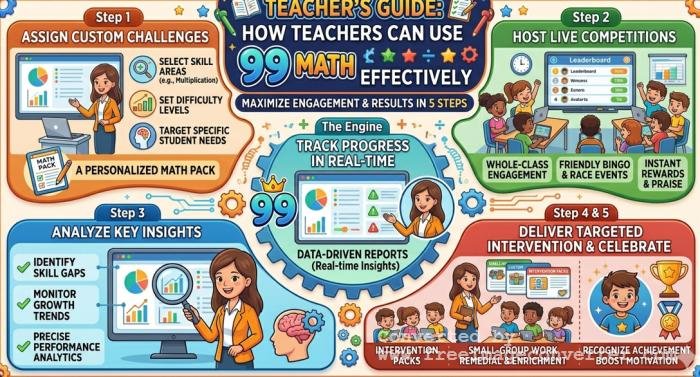
Align Activities With Learning Goals
Each activity should support specific educational objectives.Examples:
- Multiplication games for arithmetic fluency
- Geometry challenges for spatial reasoning
- Algebra competitions for equation-solving skills
Monitor Student Progress
The analytics provided by 99 Math can help teachers identify:
Learning gaps – Reveals topics where students frequently make mistakes and need additional support.
Strong performers – Highlights students who consistently achieve high scores and demonstrate mastery of concepts.
Areas needing reinforcement – Shows specific skills or lessons that require more practice to improve overall understanding.
Balance Competition and Learning
Teachers can reward:
Effort – Recognize students who consistently try their best, regardless of their final score.
Improvement – Celebrate progress and skill development over time rather than just high achievement.
Participation – Encourage active involvement by acknowledging students who regularly engage in activities and challenges.
Encourage Inclusivity
Every student should feel comfortable participating regardless of skill level. Strategies include:
Team activities – Encourage students to work together, share ideas, and learn collaboratively while solving math problems.
Mixed-ability groups – Combine students with different skill levels so they can support and learn from one another.
Personalized challenges – Provide tasks tailored to each student’s ability level to promote confidence and steady progress.
How Students Can Get Better Results
Practice Consistently: Short daily sessions are often more effective than occasional long sessions.
Focus on Accuracy First: Speed matters, but accuracy should come first. Students should develop strong foundations before aiming for faster responses.
Learn From Mistakes: Reviewing incorrect answers is one of the most effective ways to improve.
Set Personal Goals: Goals provide motivation and help track progress over time.
Examples:
- Improve multiplication speed
- Increase quiz scores
- Master fractions
99 Math vs Traditional Math Activities
Many educators wonder whether digital learning platforms outperform traditional methods.
| Feature | 99 Math Activities | Traditional Worksheets |
| Student Engagement | High | Moderate |
| Real-Time Feedback | Yes | Limited |
| Competitive Learning | Yes | Rare |
| Collaboration Options | Strong | Limited |
| Progress Tracking | Automated | Manual |
| Motivation Level | High | Moderate |
| Classroom Participation | Increased | Variable |
Common Challenges and Solutions
Technology Access
Some schools may face challenges due to limited access to devices or reliable internet connectivity, which can make it difficult for all students to participate.
Solution: Use shared devices, create small-group activities, or schedule activity rotations so every student has an opportunity to engage with the platform.
Different Skill Levels
Students learn at different paces and often have varying levels of mathematical understanding, making it challenging to keep everyone equally engaged.
Solution: Implement differentiated activities and personalized challenges that match individual skill levels, ensuring all students can participate and succeed.
Maintaining Long-Term Interest
Even the most engaging math activities can lose their appeal if the same formats are used repeatedly over time.
Solution: Keep learning fresh and exciting by rotating activity types, introducing new challenges, and varying competition formats regularly.
Overemphasis on Competition
While competition can motivate students, excessive focus on rankings and winning may discourage some learners and reduce confidence.
Solution: Emphasize effort, improvement, teamwork, and participation alongside achievement to create a more balanced and supportive learning environment.
Best Practices for Interactive Math Learning
Combine Digital and Traditional Learning: Interactive activities work best when paired with traditional teaching methods.
Encourage Collaboration: Learning becomes more meaningful when students work together.
Provide Immediate Feedback: Quick feedback helps students correct mistakes before they become habits.
Use Varied Activity Formats: Mixing different game styles keeps lessons fresh and engaging.
Why Gamification Works in Math Education
Gamification uses game mechanics to improve learning outcomes.Popular elements include:
- Points
- Leaderboards
- Achievements
- Challenges
- Rewards
Research shows students often remain more motivated when learning feels like a game.Because 99 math incorporates these elements naturally, students are more likely to participate and stay engaged.
The Future of Interactive Math Learning
Educational technology continues to evolve. Future trends may include:
- Artificial intelligence personalization
- Adaptive learning pathways
- Advanced analytics
- Enhanced multiplayer experiences
- Greater accessibility across devices
Conclusion
Interactive learning has become an important part of modern education, and 99 math provides an effective way to make mathematics more engaging. Through multiplayer challenges, classroom tournaments, personalized competitions, and real-time feedback, students can build stronger math skills while enjoying the learning process.For teachers, these activities offer valuable insights and increased classroom participation.For students, they create a fun and motivating environment that encourages growth and confidence.
By integrating 99 math into regular lessons, educators can transform traditional math practice into an interactive experience that supports long-term academic success.As educational technology continues to advance, interactive platforms will play an increasingly important role in helping students learn, collaborate, and achieve better outcomes in mathematics.
FAQs
Q1: What is 99 math used for?
Ans: 99 math is used to help students practice mathematics through interactive games, live competitions, and engaging classroom activities.
Q2: Is 99 math suitable for all grade levels?
Ans: Yes, it can be adapted for various grade levels, making it useful for elementary, middle, and some high school students.
Q3: Can teachers use 99 math for remote learning?
Ans: Yes, teachers can conduct online math competitions and activities for students learning from home.
Q4: Does 99 math improve student engagement?
Ans: Yes, gamified learning elements increase participation, motivation, and classroom interaction.
Q5: What devices can students use?
Ans: Students can typically access activities through computers, laptops, tablets, and other internet-enabled devices.
Q6: How often should students use interactive math activities?
Ans: Short daily or weekly sessions are usually effective for maintaining engagement and improving skills.
Q7: Can 99 math help with test preparation?
Ans: Yes, review games and practice challenges can reinforce concepts before quizzes and exams.
Q8: Is competition beneficial in math learning?
Ans: Healthy competition can motivate students, improve focus, and encourage consistent practice when balanced properly.