Valorant Tracker Guide Stats, Ranks, Match Data & Match History
Valorant is one of the most competitive tactical shooters in the world, attracting millions of players who want to improve their skills and climb the ranked ladder. Whether you’re a beginner learning the basics or an experienced player aiming for higher ranks, tracking your performance can make a significant difference. This is where valorant tracker tools become valuable.A valorant tracker helps players analyze match statistics, rank progression, agent performance, and gameplay trends.
Instead of relying solely on in-game information, players can access detailed data that highlights strengths, weaknesses, and opportunities for improvement. Your learn what a valorant tracker is, how it works, its main features, and how it can help players make smarter decisions both in casual and competitive matches.
Read More: Cool Math Games Best Games, Tips & Fun Challenges Guide
What Is Valorant Tracker?
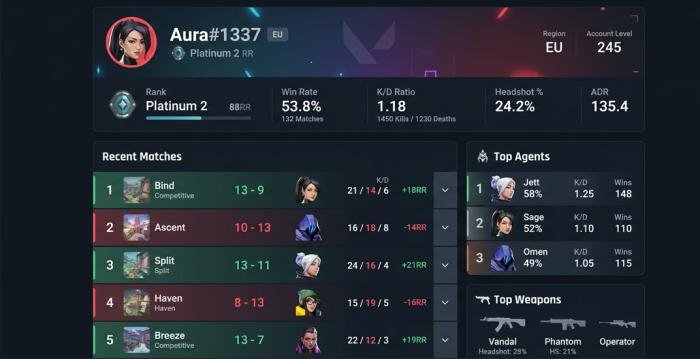
A valorant tracker is a performance-tracking platform designed to collect and display detailed statistics from your Valorant matches. It provides a centralized dashboard where players can review gameplay data, monitor rankings, and analyze match history. Most tracking platforms connect to Riot Games data and present information in an easy-to-understand format.
This allows players to monitor their progress over time and identify areas where they can improve. For competitive players, a valorant tracker acts as a personal performance report. Instead of guessing why rank progression has slowed, players can review real statistics and adjust their gameplay accordingly.
Overview of Valorant Tracker
The primary purpose of a valorant tracker is to provide deeper insights than the standard in-game statistics screen. While Valorant itself offers basic performance information, tracking tools often include advanced metrics that help players better understand their performance. Common information available includes:
- Match history
- Win-loss records
- Rank progression
- Headshot percentage
- Kill-to-death ratio
- Agent-specific statistics
- Weapon usage data
- Seasonal performance trends
By organizing this information into visual dashboards and reports, players can quickly identify patterns in their gameplay.
Who Should Use Valorant Tracker?
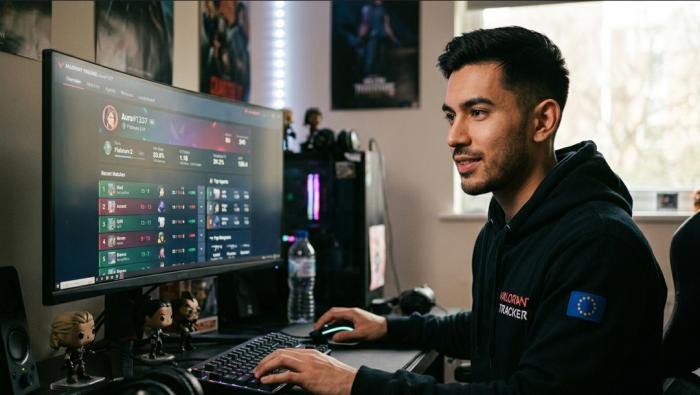
A valorant tracker is useful for a wide range of players.
Beginners: New players can use statistics to understand how they’re performing and monitor improvement over time. Tracking early progress helps build good habits and identify areas that need practice.
Casual Players: Even if ranking up isn’t a priority, casual players often enjoy reviewing match results and seeing personal achievements.
Competitive Players: Ranked grinders benefit the most from detailed statistics. Advanced data can reveal weaknesses that may be holding them back from reaching higher ranks.
Content Creators and Streamers: Many streamers use a valorant tracker to showcase statistics, compare performances, and create educational content for their audiences.
Coaches and Team Analysts: Coaches can review player data to evaluate strengths, weaknesses, and team performance trends.
How Valorant Tracker Works
The process is relatively simple. After connecting your Riot Games account, the tracker gathers available match information and organizes it into various categories. The system then updates performance records as new matches are played.
Most tracking tools automatically synchronize match data, allowing players to access recent statistics without manually entering information. Typical tracked metrics include:
- Match outcomes
- Rank updates
- Combat performance
- Agent selection
- Accuracy statistics
- Team contribution metrics
Main Features of Valorant Tracker
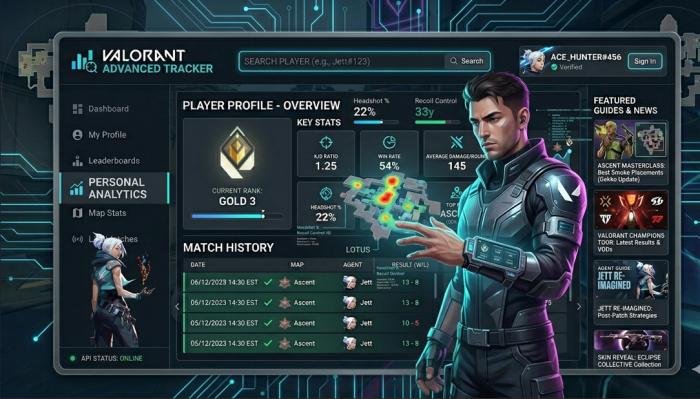
One reason players rely on a valorant tracker is the wide range of available features. These tools go beyond simple scoreboards and provide meaningful insights into gameplay performance.
Player Statistics Tracking
Performance statistics form the foundation of any tracking tool. Players can monitor:
- Total kills
- Total deaths
- Assists
- Kill/death ratio
- Average combat score
- Damage per round
- Headshot percentage
These metrics help players understand their consistency and identify specific skills that need improvement. For example, a player with strong kill numbers but a low headshot percentage may focus on improving aim training and crosshair placement.
Rank Tracking
One of the most popular features of a valorant tracker is rank monitoring. Players can view:
- Current rank
- Rank progression history
- Previous seasonal ranks
- Competitive performance trends
- Promotion and demotion patterns
Tracking rank history helps players understand whether they are consistently improving or experiencing performance fluctuations. Instead of focusing on individual wins and losses, players can evaluate long-term progress.
Match History Analysis
Match history provides valuable context behind overall statistics. Players can review:
- Recent matches
- Match outcomes
- Team performance
- Individual contributions
- Performance on specific maps
For example, if losses frequently occur on certain maps, players can spend additional time learning map strategies and positioning.
Agent Performance Metrics
Different agents require different playstyles. Some players perform better with duelists, while others excel with controllers or initiators. A valorant tracker can show:
- Win rate by agent
- Average performance per agent
- Most-played agents
- Agent-specific combat statistics
This information helps players determine which agents fit their strengths and contribute most effectively to team success.
Weapon Statistics
Weapon performance is another important category. Players can evaluate:
- Most-used weapons
- Accuracy percentages
- Kill efficiency
- Headshot rates by weapon
Understanding weapon data allows players to make better purchasing decisions during matches and optimize their loadouts.
Benefits of Tracking Your Valorant Performance
Many players underestimate the value of performance tracking. While raw talent is important, consistent improvement often comes from analyzing gameplay and making informed adjustments. Using a valorant tracker provides several advantages:
Objective Performance Evaluation
Players often remember their best matches and forget weaker performances. Statistics provide an unbiased view of actual performance.
Goal Setting
Tracking data helps establish realistic goals such as:
- Improving headshot percentage
- Increasing win rate
- Reaching a higher rank
- Reducing unnecessary deaths
Long-Term Progress Monitoring
Improvement in Valorant usually happens gradually. Reviewing long-term statistics helps players recognize growth that may not be noticeable after only a few matches.
Better Decision-Making
By analyzing trends and performance metrics, players can make smarter decisions regarding agent selection, practice routines, and gameplay strategies. In the next section, we’ll cover how to set up a tracker, connect your Riot Games account, review match data, and use advanced statistics to improve your ranked performance.
How to Set Up Valorant Tracker
Getting started with a valorant tracker is usually straightforward. Most tracking platforms are designed to be beginner-friendly, allowing players to access detailed statistics within minutes.
Create an Account
The first step is creating an account on the tracking platform. Most services allow users to sign up using an email address or connect directly through supported gaming accounts. After registration, you’ll gain access to a personalized dashboard where all gameplay statistics will be displayed.
Connect Your Riot Games Account
To collect accurate match information, the tracker must be linked to your Riot Games account. Once connected, the system can access publicly available gameplay data and automatically update your profile after matches are completed. Benefits of account linking include:
- Automatic stat updates
- Rank tracking
- Match history synchronization
- Agent performance reports
- Seasonal statistics
Install the Desktop Application (Optional)
Many tracking services offer desktop applications that run in the background while you play. These applications often provide:
- Real-time match insights
- Live performance tracking
- Match summaries
- Detailed post-game reports
Customize Your Dashboard
Most tracking tools allow users to personalize their dashboards. Common customization options include:
- Favorite statistics
- Match filters
- Rank displays
- Performance summaries
- Privacy settings
How to Check Stats Using Valorant Tracker
One of the biggest advantages of using a tracking platform is the ability to review performance from multiple perspectives.
Viewing Overall Performance
The overview section provides a snapshot of your entire Valorant career. Typical metrics include:
- Total matches played
- Overall win rate
- Average combat score
- Total kills and deaths
- Headshot percentage
- Current rank
Analyzing Match Data
Every match contains valuable information. Instead of only checking whether you won or lost, it’s important to analyze the factors behind the result. Match reports often include:
- Team composition
- Individual player statistics
- Round-by-round performance
- Accuracy metrics
- Economic performance
Monitoring Rank Progress
Rank progression is often one of the most watched sections of a valorant tracker. Players can monitor:
- Rank movement over time
- Winning streaks
- Losing streaks
- Seasonal improvements
- Promotion attempts
Reviewing Match History
The match history section allows players to revisit previous games and analyze performance trends. Useful information includes:
- Recent results
- Map performance
- Agent usage
- Match duration
- Individual contribution
Key Valorant Stats Every Player Should Track
While tracking platforms provide dozens of metrics, some statistics are especially valuable for improvement.
Headshot Percentage
Headshot percentage measures how often your shots hit an opponent’s head. A higher percentage generally indicates:
- Better aim
- Stronger crosshair placement
- Faster reaction times
Players who consistently improve this metric often see gains in overall combat performance.
KDA Ratio
KDA stands for Kills, Deaths, and Assists. A strong KDA ratio often reflects:
- Effective engagements
- Good positioning
- Consistent team contribution
Average Combat Score (ACS)
ACS is one of the most useful indicators of overall performance. It accounts for:
- Damage dealt
- Kills
- Multi-kills
- Round impact
Win Rate
Win rate measures the percentage of matches won. A strong win rate often indicates:
- Consistency
- Effective teamwork
- Adaptability
Damage Per Round (DPR)
Damage per round is a valuable metric because it reflects overall combat contribution. Even when players don’t secure kills, consistent damage can significantly influence match outcomes. Higher DPR often correlates with stronger team impact and improved performance.
Professional Valorant Stats
The following table highlights some of the most important statistics players should monitor regularly.
| Statistic | Why It Matters | Improvement Goal |
| Headshot Percentage | Measures aiming accuracy | Increase consistency |
| KDA Ratio | Reflects combat efficiency | Maintain positive ratio |
| Average Combat Score (ACS) | Shows overall round impact | Improve match influence |
| Win Rate | Indicates long-term success | Aim for steady growth |
| Damage Per Round (DPR) | Measures contribution in fights | Increase average damage |
| First Blood Rate | Shows opening duel success | Improve entry engagements |
| Agent Win Rate | Identifies strongest agents | Focus on best performers |
Using Valorant Tracker to Improve Gameplay
The real value of a valorant tracker isn’t simply collecting statistics—it’s using them to improve.
Identify Weak Areas
Most players have hidden weaknesses they don’t immediately recognize. Examples include:
- Low performance on certain maps
- Poor results with specific agents
- Inconsistent accuracy
- Difficulty winning opening duels
Tracking data helps reveal these issues quickly.
Track Progress Over Time
Improvement takes time. Instead of focusing on daily fluctuations, players should compare weekly and monthly performance trends. This approach provides a more accurate view of development and prevents frustration during temporary setbacks.
Compare Performance With Better Players
Many tracking platforms allow players to compare their statistics with higher-ranked competitors This comparison can reveal gaps in areas such as:
- Accuracy
- ACS
- Utility usage
- Survival rate
- Win percentage
Build a Personal Improvement Plan
A data-driven improvement plan is often more effective than random practice. For example:
- If headshot percentage is low, focus on aim training.
- If map performance is weak, study map-specific strategies.
- If ACS is inconsistent, improve decision-making and positioning.
Using statistics as a guide helps ensure practice sessions target the areas that matter most. In the next section, we’ll examine advanced uses of a valorant tracker, compare it with in-game stats, discuss common issues and solutions, and answer frequently asked questions from Valorant players.
Valorant Tracker for Competitive Players
As players move into higher ranks, small improvements can make a major difference. Competitive players often use a valorant tracker as part of their regular training routine because it provides valuable performance insights that are difficult to notice during gameplay.
Preparing for Ranked Matches
Before jumping into competitive games, many players review recent statistics to understand their current form. Useful metrics include:
- Recent win rate
- Average combat score
- Agent performance
- Map success rates
- Accuracy statistics
Agent Selection Based on Data
Many players enjoy using a variety of agents, but statistics often reveal which agents produce the best results.For example, a player may enjoy playing Duelists but achieve a significantly higher win rate with Controllers. Reviewing these trends can help improve consistency in ranked matches. Instead of relying on assumptions, players can use data to identify their strongest roles and maximize their impact on the team.
Post-Match Performance Reviews
One of the best habits competitive players can develop is reviewing matches after they end. Post-match analysis can reveal:
- Poor positioning habits
- Inconsistent aim performance
- Weak map control
- Economic mistakes
- Utility usage issues
Applications for Teams and Coaches
A valorant tracker is not only useful for individual players. Coaches, analysts, and esports organizations can use tracking data to:
- Evaluate player consistency
- Monitor team performance
- Analyze strategic trends
- Identify improvement opportunities
- Scout potential talent
This data-driven approach has become increasingly common throughout the competitive gaming industry.
Benefits and Limitations of Valorant Tracker
Like any analytical tool, tracking platforms have strengths and limitations.
Major Benefits
Some of the biggest advantages include:
- Detailed performance statistics
- Easy rank monitoring
- Match history analysis
- Agent-specific insights
- Long-term improvement tracking
- Data-driven goal setting
Potential Limitations
Despite its usefulness, statistics should never be viewed in isolation. Some limitations include:
- Not every contribution appears in the data.
- Team communication is difficult to measure.
- Leadership qualities are not reflected in most statistics.
- Match context can affect performance metrics.
Because of this, players should combine statistical analysis with gameplay reviews and practical experience.
Valorant Tracker vs In-Game Stats
Many players wonder whether a tracker is necessary when Valorant already provides in-game statistics.
Data Depth
The game’s built-in statistics are useful but relatively basic. A valorant tracker often includes:
- Advanced performance metrics
- Seasonal trends
- Historical records
- Agent-specific breakdowns
- Long-term progress reports
Historical Performance Tracking
In-game statistics generally focus on recent activity. Tracking platforms, however, allow players to examine performance across months or even years, making it easier to identify long-term improvement trends.
Which Option Is Better?
For casual players, in-game stats may be sufficient. For ranked grinders, content creators, coaches, and competitive players, a valorant tracker provides significantly more analytical value and can support more effective improvement strategies.
Common Valorant Tracker Issues and Fixes
Most tracking platforms are reliable, but occasional issues may occur.
Stats Not Updating
Possible causes include:
- Delayed synchronization
- Server issues
- Account connection problems
Account Sync Problems
If account data is not appearing correctly:
- Verify Riot account permissions.
- Reconnect the linked account.
- Confirm login credentials are correct.
Missing Match History
Occasionally, recent matches may take time to appear. Possible solutions include:
- Refreshing the dashboard
- Logging out and back in
- Waiting for server updates
Login Difficulties
For login-related issues:
- Reset passwords if necessary.
- Enable account security features.
- Ensure account information is accurate.
Conclusion
A valorant tracker is one of the most useful tools available for players who want to better understand their performance and improve over time. From monitoring rank progression and reviewing match history to analyzing agent statistics and combat metrics, tracking platforms provide valuable insights that go far beyond standard in-game information.
Whether you’re a beginner learning the fundamentals, a ranked grinder chasing higher tiers, a content creator producing educational content, or a coach evaluating player performance, using a valorant tracker can help you make more informed decisions. By regularly reviewing your statistics, setting measurable goals, and focusing on consistent improvement, you’ll be better equipped to reach your full potential in Valorant.
FAQs
Q1: Is Valorant Tracker free to use?
Ans: Most tracking platforms offer free access to basic statistics, match history, and rank information. Some services may provide premium features for advanced analytics.
Q2: Is Valorant Tracker safe to use?
Ans: Reputable tracking tools generally use official data sources and do not require access to sensitive account information. Always use trusted platforms and follow Riot Games policies.
Q3: How often are statistics updated?
Ans: Updates usually occur automatically after matches are completed, although occasional delays may happen during periods of heavy server activity.
Q4: Can I track other players?
Ans: Yes. Many tracking platforms allow users to search for public player profiles and view available statistics.
Q5: Does Valorant Tracker work for all regions?
Ans: Most major tracking services support multiple Valorant regions, including North America, Europe, Asia-Pacific, and other supported servers.
Q6: Can a tracker help me rank up faster?
Ans: While a tracker cannot directly increase rank, it can highlight weaknesses and provide performance insights that help players improve more efficiently.
Q7: Which statistics matter most?
Ans: Headshot percentage, win rate, average combat score, damage per round, and agent-specific performance are among the most useful metrics for long-term improvement.
Q8: Should beginners use a tracker?
Ans: Yes. Beginners can benefit from tracking progress early and developing strong habits based on objective performance data.