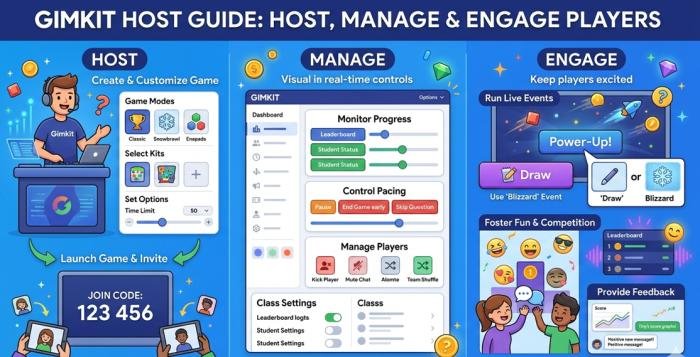
Gimkit Host Guide Host, Manage & Engage Players
Interactive learning has transformed modern education, and tools like Gimkit have become popular for creating engaging classroom experiences. Whether you’re a teacher, tutor, content creator, or beginner exploring educational technology, understanding how to use a gimkit host effectively can make a significant difference in player engagement and learning outcomes.
Gimkit is a game-based learning platform that allows hosts to create live quizzes and interactive activities. As a host, you control the game, manage participants, monitor progress, and create an environment that encourages active participation.
Read More: Google Block Breaker Gameplay, Tips, and Tricks
In this comprehensive guide, you’ll learn everything about being a gimkit host, from setting up your first game to using advanced strategies that keep players engaged and motivated.
What Is a Gimkit Host?
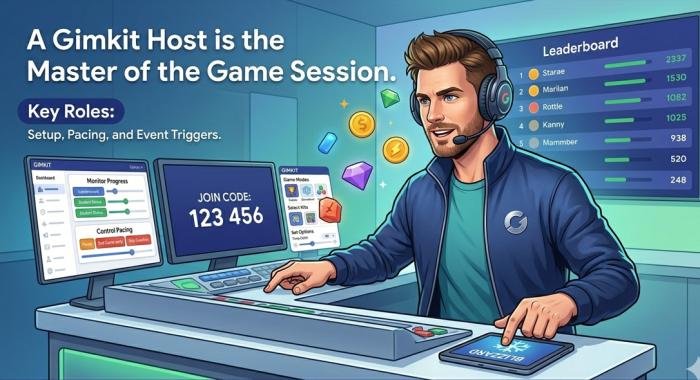
A gimkit host is the person responsible for creating, launching, and managing a live Gimkit game. The host controls game settings, monitors player activity, and guides participants throughout the session.
Unlike players who simply join and answer questions, the host has administrative control over the entire experience.
Responsibilities of a Gimkit Host
A host typically:
- Creates or selects a quiz kit
- Chooses a game mode
- Adjusts game settings
- Starts and ends games
- Monitors player participation
- Reviews performance reports
- Maintains engagement throughout the session
Why Hosting Matters
The quality of the hosting experience directly impacts player participation. A skilled gimkit host can turn a simple quiz into an exciting and memorable learning activity.
How to Become a Gimkit Host

Getting started is straightforward, even if you’re completely new to the platform.
Create a Gimkit Account: Visit the Gimkit website and sign up for an account. You can use either a free or paid plan depending on your needs.The free version offers enough functionality for many beginners, while premium plans unlock additional game modes and features.
Access the Dashboard: After logging in, you’ll arrive at the main dashboard. This is where you’ll manage kits, reports, assignments, and live games.
Select a Quiz Kit: You can either:
- Use an existing kit
- Import questions
- Create a custom kit
- Modify a previously created quiz
Once you’ve selected a kit, you’re ready to begin hosting.
How to Host a Gimkit Game Step by Step
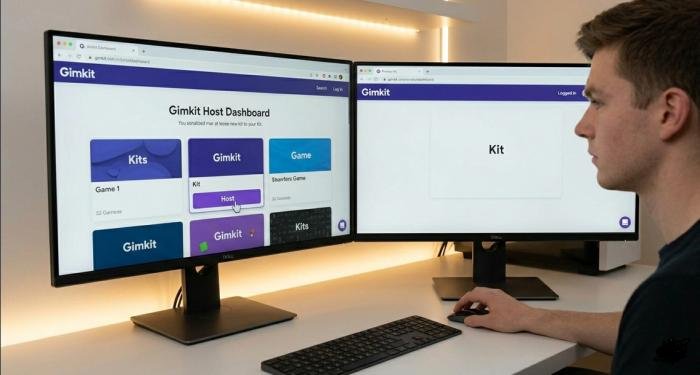
If you’re hosting for the first time, follow these simple steps.
Step 1: Choose Your Kit: Start by selecting the quiz or learning content you want participants to play.
Good kits usually include:
- Clear questions
- Accurate answers
- Appropriate difficulty levels
- Relevant educational content
Step 2: Select a Game Mode: Gimkit offers several game modes that create different learning experiences.
Popular options include:
- Classic
- Team Mode
- Trust No One
- The Floor Is Lava
- Draw That
Choose a mode that matches your goals and audience.
Step 3: Configure Game Settings: A successful gimkit host spends time adjusting settings before launching the game.
You can customize:
- Time limits
- Goal targets
- Power-ups
- Music settings
- Late joining permissions
These settings help create the ideal learning environment.
Step 4: Generate a Join Code: Once configured, Gimkit generates a unique game code.
Players simply:
- Visit the join page
- Enter the game code
- Type their name
- Join the session
Step 5: Launch the Game: After participants join, click the Start button.As the gimkit host, you’ll have access to real-time data and controls throughout the session.
Step 6: Review Results: After the game ends, Gimkit provides detailed reports showing:
- Accuracy rates
- Top performers
- Question performance
- Learning gaps
These insights can help improve future sessions.
Gimkit Host Controls Explained
Understanding available controls allows a gimkit host to manage sessions effectively.
Managing Players
Hosts can monitor participants in real time.Common actions include:
- Removing disruptive players
- Tracking progress
- Monitoring activity levels
- Identifying inactive participants
Pausing the Game
Sometimes you may need to:
- Explain concepts
- Address questions
- Give instructions
- Resolve technical issues
The pause feature helps maintain control without ending the game.
Adjusting Settings
Certain settings can be modified during gameplay depending on the selected mode.This flexibility allows the gimkit host to adapt sessions as needed.
Monitoring Performance
Real-time analytics show:
- Current rankings
- Earnings
- Question accuracy
- Participation trends
These insights help maintain engagement.
Popular Gimkit Game Modes
Choosing the right game mode can dramatically improve participation.
Classic Mode: Classic Mode is ideal for beginners.
Benefits include:
- Simple gameplay
- Easy setup
- Familiar structure
- Quick learning curve
Team Mode: This mode encourages collaboration.
Players work together to:
- Solve questions
- Earn points
- Achieve group objectives
Trust No One: Inspired by social deduction games, this mode combines learning and strategy.
Advantages include:
- High engagement
- Critical thinking
- Team interaction
- Problem-solving
The Floor Is Lava: One of the most exciting modes available.Participants must answer correctly while avoiding in-game challenges.
Draw That: Perfect for creative classrooms.Players draw responses while others guess answers.
Professional Comparison Table for Hosts
| Feature | Host Access | Player Access |
| Create Games | Yes | No |
| Manage Settings | Yes | No |
| Monitor Analytics | Yes | No |
| Join Live Games | Yes | Yes |
| View Reports | Yes | Limited |
| Remove Participants | Yes | No |
| Pause Sessions | Yes | No |
| Customize Game Modes | Yes | No |
Tips to Engage Players Effectively
A successful gimkit host does more than launch games. Engagement requires planning and strategy.
Use Relevant Questions
Players stay interested when content feels meaningful.
Try to:
- Match audience skill levels
- Include real-world examples
- Avoid repetitive questions
Create Friendly Competition
Leaderboards can increase motivation.
Consider offering:
- Recognition
- Bonus points
- Classroom rewards
- Team achievements
Mix Up Game Modes
Using the same mode repeatedly may reduce excitement.Rotate between different formats to keep sessions fresh.
Encourage Participation
Ask questions throughout the game and celebrate progress.Small encouragements can significantly improve engagement.
Common Gimkit Host Problems and Solutions
Even experienced hosts encounter challenges.
Players Cannot Join: Possible causes include:
- Incorrect game code
- Network issues
- Browser incompatibility
Solution: Verify the code and ask players to refresh their browsers.
Game Lag:Lag usually occurs because of:
- Weak internet connections
- Older devices
- Excessive background applications
Encourage players to close unnecessary tabs.
Login Issues: If users cannot log in:
- Reset passwords
- Verify account information
- Check server status
Audio Problems: If game sounds aren’t working:
- Check browser permissions
- Verify device volume
- Test another browser
Advanced Hosting Strategies
Experienced educators often take hosting to the next level.
Analyze Reports:
After every session, review performance reports.
Focus on:
- Difficult questions
- Knowledge gaps
- Participation patterns
- Improvement opportunities
This approach helps a gimkit host improve future learning outcomes.
Customize Learning Experiences
Tailor quizzes for specific goals.
Examples include:
- Exam preparation
- Vocabulary practice
- Product training
- Team development
Host Larger Sessions
Managing larger groups requires preparation.
Best practices include:
- Establish clear rules
- Test technology beforehand
- Assign moderators if necessary
- Use structured game schedules
Encourage Reflection
After the game, discuss:
- Challenging questions
- Learning outcomes
- Strategies used
- Areas for improvement
Reflection reinforces learning.
Best Practices for Every Gimkit Host
Prepare in Advance: Before launching a game:
- Test settings
- Review content
- Check internet connectivity
- Verify participant access
Keep Instructions Simple: Clear instructions reduce confusion and improve participation.
Focus on Learning: While competition is fun, educational value should remain the priority.
Review Analytics: Every gimkit host should use reports to improve future sessions.Data-driven decisions often lead to better outcomes.
Gimkit Host vs Player
Understanding the distinction helps clarify responsibilities.
Host:
A gimkit host can:
- Create games
- Manage settings
- Track analytics
- Control gameplay
- Review reports
Player:
Players can:
- Join sessions
- Answer questions
- Earn rewards
- Compete with others
The host oversees the entire experience, while players focus on participation.
Is Gimkit Worth Using?
For many educators and trainers, the answer is yes.
Benefits: Advantages include:
- Interactive learning
- High engagement
- Real-time feedback
- Flexible game modes
- Easy setup
Limitations: Potential drawbacks include:
- Some premium features require payment
- Internet access is necessary
- Certain modes may require practice
Who Should Use It?: Gimkit works well for:
- Teachers
- Tutors
- Coaches
- Content creators
- Corporate trainers
Anyone seeking interactive learning experiences can benefit.
Conclusion
Being an effective gimkit host involves much more than simply starting a game. From selecting the right game mode and configuring settings to managing participants and reviewing analytics, hosts play a crucial role in creating engaging learning experiences.
Whether you’re hosting your first session or looking to improve your skills, the strategies in this guide can help you create more interactive, enjoyable, and productive games. By understanding host controls, using effective engagement techniques, and analyzing performance data, you can maximize the value of every Gimkit session and provide a better experience for all participants.
FAQs
Q1: What does a Gimkit host do?
Ans: A host creates, manages, and controls live Gimkit games, including settings, player management, and performance monitoring.
Q2: Can I be a Gimkit host for free?
Ans: Yes. Gimkit offers free access with basic hosting features, although some advanced options require a paid plan.
Q3: Do players need an account to join?
Ans: In most cases, players can join using a game code without creating a full account.
Q4: Can a host remove participants?
Ans: Yes. Hosts can remove disruptive or inactive players during a session.
Q5: Which game mode is best for beginners?
Ans: Classic Mode is generally the easiest and most beginner-friendly option.
Q6: Can I view results after a game ends?
Ans: Yes. Gimkit provides reports and analytics after each completed session.
Q7: How can I improve engagement as a host?
Ans: Use varied game modes, relevant questions, clear instructions, and positive reinforcement to keep participants involved.
Q8: Can Gimkit be used outside the classroom?
Ans: Absolutely. Trainers, content creators, and organizations can use Gimkit for workshops, events, and team learning activities.