
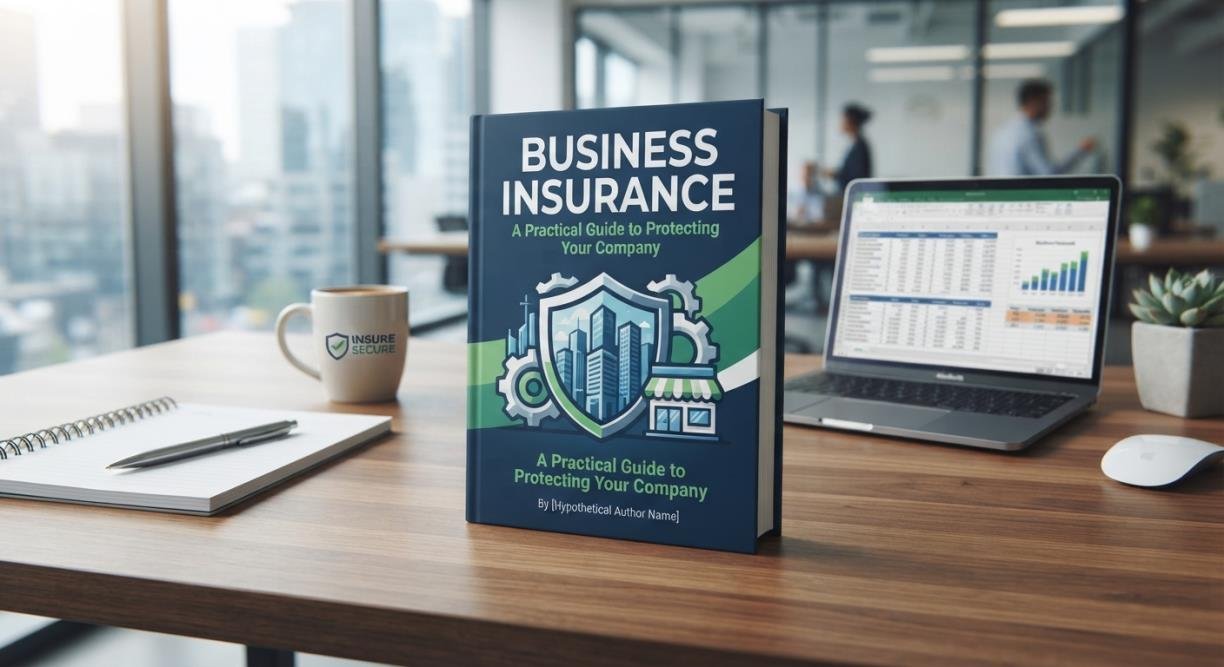
Business Insurance: A Practical Guide to Protecting Your Company
Running a business involves more than selling products or providing services. Every company faces risks, from a customer slipping on the premises to equipment being damaged, confidential data being stolen, or a client claiming that professional advice caused financial harm.
Business insurance is designed to help businesses manage some of these financial risks. The right policy can provide financial support when a covered event causes damage, injury, loss, or legal expenses.
However, there is no single insurance policy that automatically covers every business risk. The appropriate coverage depends on factors such as your industry, location, employees, property, vehicles, customers, contracts, and the type of work you perform. This guide explains how business insurance works, the main types of coverage, potential costs, and practical steps for choosing protection that fits your company.
Read more: ETSIOSApp Version From ETrueSports: Features, Updates & Safety Guide
What Is Business Insurance?
Business insurance is a collection of insurance products designed to protect a company against specified financial risks. Instead of paying the full cost of certain covered losses from business funds, a company can transfer some of that risk to an insurer in exchange for premiums.
For example, imagine a customer visits a store and is injured after slipping on a wet floor. Depending on the circumstances and policy terms, general liability insurance may help with covered legal costs or damages.
How Business Insurance Works
A typical insurance policy establishes several important elements:
Premium: The amount paid for insurance coverage.
Deductible: The amount the business may pay toward a covered claim before insurance responds.
Coverage limit: The maximum amount the insurer will pay for a covered loss.
Exclusions: Situations or losses the policy does not cover.
Claim: A formal request for payment or other benefits under the policy.
Why Does Your Business Need Insurance?
Businesses face different risks depending on what they do and how they operate. A restaurant, construction company, consultant, online retailer, and software company can have very different insurance needs. Business insurance can help in several ways.
Protecting Business Assets
Property, equipment, inventory, furniture, computers, and other physical assets can represent a significant investment. Certain commercial property policies can provide coverage for specified causes of loss. Without appropriate coverage, a major property loss could put substantial pressure on a company’s finances.
Managing Liability Risks
Businesses can face claims involving bodily injury, property damage, advertising-related allegations, professional mistakes, and other issues. Liability insurance can help with covered claims according to the policy terms. Depending on the coverage, this may include certain legal defense costs, settlements, or judgments.
Meeting Contractual or Legal Requirements
Some clients, landlords, lenders, licensing bodies, or government authorities may require particular insurance coverage.
For example, a commercial lease may require a tenant to maintain liability insurance. Employment-related insurance requirements can also vary by jurisdiction.
Protecting Business Continuity
A serious incident can interrupt normal operations. Insurance coverage designed for business interruption may help replace certain lost income or cover specified continuing expenses after a covered event, depending on the policy. This can give a business additional financial breathing room while it works to resume normal operations.
Types of Business Insurance
Different policies address different risks. The following table provides a quick comparison.
| Type of Insurance | What It Generally Helps With | Commonly Relevant To |
| General liability | Third-party bodily injury, property damage, and certain related claims | Most customer-facing businesses |
| Professional liability | Claims involving professional errors, omissions, or negligent services | Consultants and professional service providers |
| Commercial property | Covered damage to business property and contents | Offices, shops, warehouses |
| Workers’ compensation | Certain employee work-related injuries or illnesses | Businesses with employees where required |
| Commercial auto | Covered business-related vehicle risks | Businesses using vehicles |
| Business interruption | Certain income losses and continuing expenses after a covered event | Businesses dependent on physical operations |
| Cyber insurance | Certain cyber incidents, subject to policy terms | Businesses handling digital systems or sensitive data |
General Liability Insurance
General liability insurance is one of the most common forms of commercial coverage. It generally addresses certain third-party claims involving bodily injury, property damage, and other covered liabilities. For example, a customer might allege that they were injured at a business location.
The exact protection depends on the policy. Businesses should review exclusions, limits, deductibles, and conditions rather than assuming every lawsuit or accident is covered.
Professional Liability Insurance
Professional liability insurance is particularly relevant to businesses that provide advice, expertise, designs, consulting, or professional services. A client may claim that an error, omission, or failure in professional services caused financial harm. Professional liability coverage may respond to certain claims under the policy. This type of coverage is sometimes referred to as errors and omissions insurance.
Commercial Property Insurance
Commercial property insurance can protect qualifying business property against specified covered causes of loss. Depending on the policy, insured property might include buildings, equipment, furniture, inventory, or other business contents.
Business owners should pay attention to whether coverage is based on replacement cost or another valuation method and whether specific types of damage are excluded.
Workers’ Compensation Insurance
Workers’ compensation insurance can provide benefits for eligible employees who experience covered work-related injuries or illnesses. Requirements vary significantly by jurisdiction, industry, and workforce structure. Employers should verify the rules that apply where their employees work.
Commercial Auto Insurance
Personal auto insurance may not provide appropriate coverage for vehicles used for business purposes. Companies that own, lease, or regularly use vehicles for commercial activities may need commercial auto insurance. Coverage can address specified vehicle-related liabilities and physical damage, depending on the policy.
Business Interruption Insurance
A covered disaster can sometimes force a company to temporarily reduce or stop operations. Business interruption coverage may help with certain lost income and continuing operating expenses following a covered event. Coverage often depends on the underlying property damage and specific policy requirements.
Cyber Insurance
Modern companies increasingly depend on computers, cloud services, payment systems, and digital customer information. Cyber insurance can provide coverage for certain cyber-related losses and liabilities, depending on the policy. Some policies may address expenses related to data breaches, cyberattacks, business interruption, notification, or legal services.
Cyber coverage varies considerably, so businesses should carefully examine what events and expenses are actually covered.
What Does Business Insurance Cover?
The answer depends entirely on the specific policy. Some business insurance policies may cover:
- Third-party bodily injury claims
- Certain property damage claims
- Damage to insured business property
- Professional errors or omissions
- Certain employee workplace injuries
- Covered vehicle-related incidents
- Certain business income losses
- Certain cyber incidents
For example: A general liability policy should not automatically be treated as protection against professional errors, employee injuries, cybercrime, or damage to the business owner’s own property.
How Much Does Business Insurance Cost?
There is no universal price for business insurance. Premiums can vary significantly depending on the business and the coverage purchased. Factors that may influence cost include:
- Industry and type of work
- Business location
- Number of employees
- Annual revenue
- Claims history
- Coverage limits
- Deductibles
- Property value
- Vehicles and drivers
- Contractual requirements
- Cybersecurity exposure
- Types of policies purchased
When comparing business insurance quotes, it is important to compare equivalent coverage. A cheaper policy may have lower limits, broader exclusions, or a higher deductible.
How to Choose the Right Business Insurance

Choosing coverage starts with understanding your company’s actual risks.
Assess Your Business Risks
Make a list of your major assets, activities, employees, customers, contracts, vehicles, technology systems, and physical locations. Then consider what could financially harm the company if something went wrong. Ask questions such as:
- Could a customer be injured?
- Could my work cause financial harm to a client?
- Could equipment or inventory be damaged?
- Could an employee suffer a workplace injury?
- Could a vehicle be involved in an accident?
- Could a cyberattack interrupt operations?
- Would the business survive several months without normal revenue?
This exercise can help identify areas where insurance may be appropriate.
Compare Coverage, Not Just Prices
When reviewing quotes, compare:
- Coverage limits
- Deductibles
- Exclusions
- Covered events
- Policy conditions
- Additional endorsements
- Claims procedures
- Premiums
Review Your Policy Regularly
Business risks change over time. You may hire employees, purchase equipment, move locations, add services, increase revenue, acquire vehicles, or begin selling products online.
An insurance policy that was appropriate when the company was small may not provide the same level of protection after substantial growth. Review coverage whenever there is a major operational change and periodically with your insurance professional.
Common Business Insurance Mistakes to Avoid
Buying Too Little Coverage: Choosing limits solely to minimize premiums can leave a company exposed to significant losses. Coverage should reflect the potential size and nature of the risks involved.
Ignoring Exclusions: A policy can appear attractive until a business needs to make a claim and discovers that the relevant event is excluded. Always check exclusions and conditions before purchasing coverage.
Failing to Update the Policy: Changes in employees, property, services, locations, revenue, and business activities can affect insurance requirements. Notify your insurer or insurance professional when significant changes occur.
Choosing Only Based on Price: Price matters, but it should not be the only consideration. A lower premium can come with different limits, deductibles, exclusions, or coverage terms. Comparing the complete policy is more useful than comparing premiums alone.
Business Insurance for Different Types of Businesses
Retail Businesses
Retailers commonly face customer injury, property damage, inventory, equipment, and premises-related risks. General liability and commercial property coverage may be relevant, depending on the business.
Professional Services
Consultants, designers, accountants, technology professionals, and other service providers may face claims related to their professional work. Professional liability insurance can be particularly relevant where an alleged mistake could create financial losses for a client.
Contractors
Contractors may have risks involving employees, tools, equipment, vehicles, customer property, and completed work. Their insurance needs can vary substantially depending on the type of construction or trade work performed.
Online Businesses
An online business may not have a physical storefront, but it can still face liability, cyber, product, professional, and business interruption risks. Companies that store customer information should pay particular attention to their cybersecurity practices and insurance requirements.
Startups
Startups often operate with limited financial reserves, making unexpected losses potentially disruptive. Founders should consider the company’s activities, employees, contracts, investors, assets, and technology when evaluating insurance needs.
Final Thoughts
Business insurance is not simply another operating expense. It is a risk-management tool that can help a company handle certain unexpected financial losses. The right approach is not to buy every available policy. Instead, identify the risks your business actually faces, determine which risks could cause serious financial damage, and compare insurance options that address those exposures.
Pay close attention to coverage limits, deductibles, exclusions, conditions, and policy updates. If you’re uncertain about what coverage your business needs, an appropriately licensed insurance professional can help you evaluate your circumstances and available options. Most importantly, treat insurance as an ongoing part of business planning. As your company grows and changes, your risks can change with it.
FAQs about business insurance
Q1: What is business insurance?
Ans: Business insurance protects companies financially against certain covered risks, including liability claims, property damage, professional errors, and unexpected losses.
Q2: Is business insurance required by law?
Ans: Some businesses must carry specific insurance depending on location, industry, employees, contracts, and applicable legal requirements.
Q3: What does business insurance usually cover?
Ans: Coverage varies, but policies may cover liability claims, property damage, professional mistakes, workplace injuries, cyber incidents, or interruptions.
Q4: How much does business insurance cost?
Ans: Costs depend on industry, location, revenue, employees, claims history, coverage limits, deductibles, and selected insurance policies.
Q5: Does a small business need insurance?
Ans: Small businesses can face serious financial risks, so suitable insurance may help protect assets, income, customers, and operations.
Q6: What is general liability insurance?
Ans: General liability insurance generally covers certain third-party bodily injury, property damage, and related liability claims.
Q7: What is professional liability insurance?
Ans: Professional liability insurance generally protects service providers against certain claims involving errors, omissions, negligence, or professional mistakes.




One Comment