
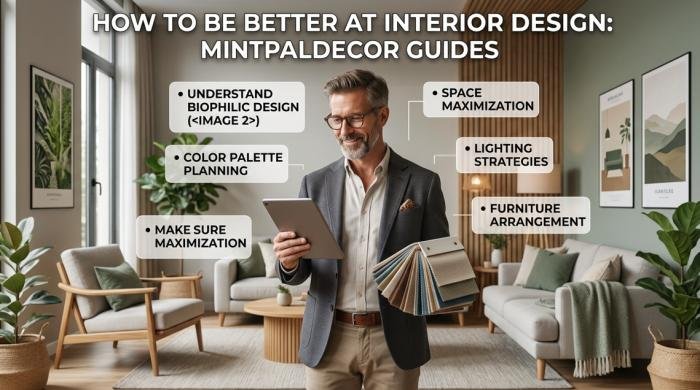
How to Be Better at Interior Design Mintpaldecor: Expert Design Tips
Creating a beautiful and comfortable home starts with thoughtful interior design. Every color, furniture piece, lighting choice, and decorative element plays an important role in shaping the atmosphere of a space. If you want to improve your decorating abilities, understanding how to be better at interior design mintpaldecor can help you make smarter design decisions and develop your creative skills.
Whether you are a beginner or someone who enjoys home decoration, the right techniques can help you transform ordinary rooms into stylish, functional, and welcoming spaces without spending a fortune.
Understand the Basics of Interior Design
Before making major changes to a room, it is important to understand the basic principles of interior design. These principles provide a foundation for creating attractive and balanced spaces. They also help you avoid common decorating mistakes that can make a room feel uncomfortable or visually crowded. A useful first step in learning how to be better at interior design mintpaldecor is to apply these fundamentals to one room at a time.
Some of the most important interior design principles include balance, proportion, rhythm, contrast, harmony, and emphasis. Each principle contributes to the overall appearance of a room. Balance means distributing visual weight throughout a space. For example, placing a large sofa on one side of a living room may require another substantial furniture piece or decorative element on the opposite side.
Read More: Magfusehub com: Website Features, Helpful Resources and Latest Updates
Create a Practical Interior Design Plan
Planning is one of the most important steps in improving your interior design abilities. Before buying furniture or changing decorations, consider how you want the room to function. Start by identifying the main purpose of the space. A living room should provide comfortable seating and encourage conversation. A bedroom should support relaxation and restful sleep. A home office should provide a productive environment with suitable lighting and enough workspace.
Next, measure the room carefully. Record the dimensions of the walls, windows, doors, and existing furniture. These measurements help you understand how much space is available and prevent purchasing furniture that does not fit. You can also create a simple room layout using paper or digital design software. Experiment with different furniture arrangements before moving heavy objects. A useful planning approach is to consider these elements:
- Room dimensions and available floor space.
- Furniture placement and walking areas.
- Natural and artificial lighting.
- Wall colors and decorative finishes.
- Storage requirements.
- Personal preferences and lifestyle needs.
Learn How Colors Influence Interior Spaces
Color is one of the most powerful elements in interior design. The right color combination can make a small room feel more open, create a relaxing atmosphere, or add personality to an otherwise simple space. how to be better at interior design mintpaldecor
When choosing colors, consider the mood you want to create. Soft neutral shades such as beige, cream, white, and light gray can make rooms feel calm and spacious. Blue and green tones often create a peaceful atmosphere, while warmer shades such as terracotta, mustard, and warm brown can make a room feel inviting.
A practical way to create a balanced color scheme is to use the 60-30-10 approach. This method divides the room’s color distribution into three categories.
| Color Distribution | Percentage | Example |
| Main color | 60% | Walls, large surfaces, or flooring |
| Secondary color | 30% | Furniture, curtains, or rugs |
| Accent color | 10% | Cushions, artwork, and accessories |
Improve Your Understanding of Lighting
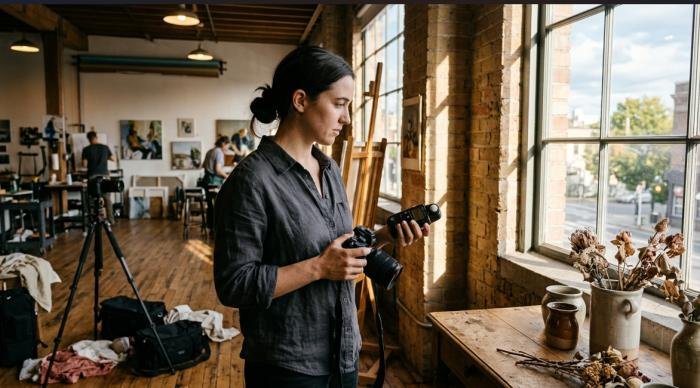
Lighting can completely change the appearance and atmosphere of an interior space. Even beautifully decorated rooms may feel uncomfortable when the lighting is too dark, too harsh, or poorly positioned. Professional interior design often combines three main types of lighting: ambient, task, and accent lighting.
Ambient lighting: This provides general illumination throughout the room. Ceiling fixtures, recessed lights, and large pendant lights are common examples.
Task lighting: This focuses on specific activities. Desk lamps, kitchen counter lights, and bedside reading lamps provide additional visibility where needed.
Accent lighting: This highlights decorative features such as paintings, architectural details, shelves, and textured walls.
Choose Furniture That Matches Your Space
Furniture selection is another important factor when learning how to be better at interior design mintpaldecor. Furniture should complement the room’s appearance while providing comfort and practical value.
Before purchasing anything, consider the room’s size, layout, and purpose. Avoid filling a small room with oversized furniture because it can reduce movement and make the space feel crowded. Similarly, very small furniture pieces may look disconnected in a large room.
Pay attention to furniture materials, shapes, colors, and construction quality. Wooden furniture can create a warm and natural atmosphere, while metal and glass elements may introduce a contemporary appearance. Upholstered furniture adds softness and comfort. You should also consider the distance between furniture pieces. Leave enough space for people to walk comfortably and use each item without difficulty.
Develop Your Personal Interior Design Style
One common mistake beginners make is copying entire rooms from magazines or social media without considering their own preferences. Inspiration is helpful, but your home should reflect your personality and lifestyle. Start by collecting pictures of interiors that you genuinely enjoy. Look for similarities in colors, furniture shapes, materials, lighting, and decorative accessories.
You may find that you prefer modern minimalism, traditional interiors, Scandinavian styling, industrial design, or a combination of different approaches. Here are some popular interior design styles:
Modern Style: Modern interiors often feature clean lines, functional furniture, simple decorations, and balanced color schemes.
Minimalist Style: This approach focuses on simplicity, useful objects, open spaces, and limited decorative elements.
Scandinavian Style: Scandinavian interiors commonly combine light colors, natural materials, comfortable furniture, and practical layouts.
Industrial Style: Industrial design often uses exposed materials, metal details, brick textures, and darker color combinations.
Traditional Style: Traditional interiors usually include classic furniture shapes, decorative details, rich materials, and timeless arrangements.
Make Small Spaces Feel Bigger
How to be better at interior design mintpaldecor. Designing a small room requires careful planning. The goal is to make the available area feel comfortable without sacrificing essential functionality. One effective technique is to use lighter wall colors. White, cream, pale gray, and soft pastel shades can help reflect light and create a more open appearance.
Mirrors can also make a difference. Placing a mirror opposite or near a window can help distribute natural light and create a sense of depth. Choose furniture with practical storage options. Beds with drawers, storage ottomans, wall-mounted shelves, and multifunctional tables can help reduce clutter. Consider these additional ideas:
- Use vertical storage to make better use of wall space.
- Avoid placing too many decorative objects on surfaces.
- Choose appropriately sized furniture.
- Keep pathways clear and easy to access.
- Use curtains that complement the wall color.
- Select furniture with visible legs to create a lighter appearance.
The most important principle is to make every item useful. A small room can look beautiful when its furniture and decorations are selected carefully. This practical approach also demonstrates how to be better at interior design mintpaldecor in compact homes.
Add Texture and Natural Materials
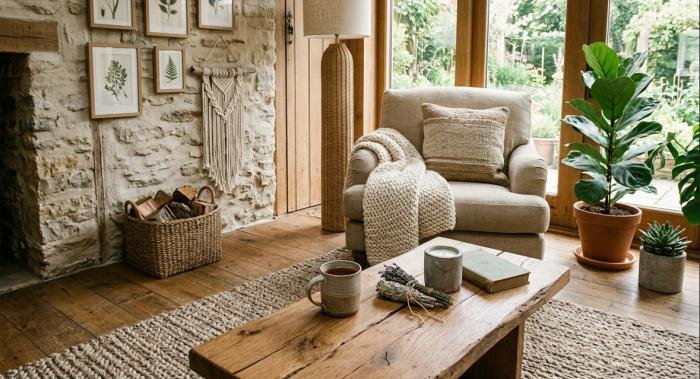
Color creates visual interest, but texture adds depth and character to an interior. A room decorated with only smooth surfaces may feel flat or uninviting. You can introduce texture through rugs, curtains, cushions, wooden furniture, woven baskets, natural stone, and upholstered seating.
For example, combining a soft fabric sofa with a wooden coffee table and a textured rug creates an interesting contrast. Similarly, linen curtains and woven accessories can make a modern room feel warmer. Natural materials are particularly useful for creating comfortable interiors. Wood introduces warmth, stone adds a natural appearance, and plants bring freshness into indoor spaces.
However, avoid combining too many competing textures. Select a few materials that complement each other and repeat them throughout the room to maintain consistency. Learning to balance materials is another way to practice how to be better at interior design mintpaldecor.
Use Plants to Improve Interior Appearance
Indoor plants are a simple way to introduce natural beauty into your home. They add color, create visual interest, and can make rooms feel more welcoming. Different plants suit different environments. Snake plants and pothos are popular choices for indoor spaces because they are generally manageable for beginners. However, plant selection should depend on available light, humidity, watering requirements, and household conditions.
You can place plants on shelves, near windows, beside furniture, or in empty corners. Larger plants can serve as decorative focal points, while smaller plants work well on tables and desks. Choose pots that complement your existing interior style. Ceramic pots may suit contemporary interiors, while woven baskets can work well with natural or relaxed decorating themes.
Remember that plants require appropriate care. Consider their individual needs rather than choosing them only for their appearance. Practical styling choices like these reinforce how to be better at interior design mintpaldecor.
Decorate Walls With Purpose
Empty walls can make a room feel unfinished, but decorating every available wall can create unnecessary visual clutter. The best approach is to select a few meaningful decorative elements that complement the overall design. Artwork, framed photographs, mirrors, floating shelves, and textured wall finishes are all useful options.
When hanging artwork, consider the size of the wall and the furniture beneath it. A small picture may appear disconnected above a large sofa, while an oversized artwork can dominate a narrow wall. Gallery walls can be attractive when several frames are arranged thoughtfully. Use consistent frame colors or a coordinated color palette to maintain visual harmony.
You can also use decorative shelves to display books, small plants, and personal collections. Keep the arrangement organized and leave some empty space between objects. This restraint is useful when applying how to be better at interior design mintpaldecor to real rooms.
Keep Your Interior Organized and Clutter-Free
An organized room often looks more attractive than a room filled with expensive decorations. Clutter makes it difficult to appreciate furniture, colors, and architectural features. Develop simple storage habits to keep your space manageable. Store frequently used items in accessible locations and keep rarely used belongings in suitable storage areas.
Use baskets, drawers, cabinets, and shelving systems to organize everyday objects. Another useful technique is to evaluate decorative items regularly. If something no longer serves a purpose or contributes to the room’s appearance, consider removing it.
Remember that empty space is also an important design element. Leaving some surfaces and corners uncluttered helps the room feel balanced and comfortable. Keeping this principle in mind can improve how to be better at interior design mintpaldecor.
Use Interior Design Technology and Digital Tools
Technology can make interior design easier, especially when you are experimenting with different layouts or decorating ideas. Digital room planners allow you to create basic floor plans, position furniture, and test different arrangements before making physical changes. Some useful design tools include:
- SketchUp: Useful for creating three-dimensional room models and furniture layouts.
- Planner 5D: Helps users visualize rooms and experiment with interior arrangements.
- Canva: Useful for creating color palettes, mood boards, and design inspiration collections.
- Pinterest: Provides visual inspiration for furniture arrangements, color combinations, and decorating styles.
These tools can help you communicate your ideas more clearly and make better design decisions. You do not need to master every software program. Start with a simple tool that matches your current abilities and gradually improve your technical skills. Digital practice can make how to be better at interior design mintpaldecor easier to apply before you move furniture.
Set a Realistic Interior Design Budget
A beautiful interior does not always require expensive furniture or luxury decorations. Good planning and thoughtful spending can produce impressive results within a limited budget. Start by identifying the most important improvements. If your sofa is uncomfortable or your bedroom lacks sufficient storage, prioritize those needs before purchasing decorative accessories.
Divide your budget into categories such as furniture, lighting, paint, textiles, storage, and decorations. Consider affordable alternatives where appropriate. Repainting existing furniture, changing cabinet handles, adding new cushion covers, and rearranging existing decorations can refresh a room without requiring a complete renovation. You can also purchase quality items gradually rather than trying to complete the entire project at once.
Always compare materials, measurements, and product quality before making purchases. Spending carefully is an important part of developing strong interior design skills. Budget awareness is a practical part of how to be better at interior design mintpaldecor.
Practice Regularly and Study Different Interiors
One of the best ways to become better at interior design is to practice consistently. You can start by improving one small area of your home rather than attempting a complete makeover.
For example, rearrange a bedroom corner, improve your desk setup, or create a more organized living room. Observe how different furniture arrangements affect movement and visual balance.
Study professionally designed interiors and identify why certain combinations work well. Pay attention to lighting positions, furniture proportions, wall treatments, and material choices. You can also take photographs of your decorating projects. Comparing earlier and later photographs helps you recognize improvements and identify areas that need more attention.
Ask family members or friends for constructive feedback. Different perspectives can help you notice design problems that you may have overlooked. Most importantly, remain open to experimentation. Your abilities will improve as you gain experience and become more confident in your decisions. Regular small projects are an effective way to practice how to be better at interior design mintpaldecor.
Follow a Step-by-Step Interior Design Improvement Routine
A structured routine makes it easier to apply what you learn. Instead of changing everything at once, divide your decorating project into manageable stages.
Step 1: Observe the Room: Examine the available space, lighting, furniture, and existing decorations. Identify what works and what needs improvement.
Step 2: Define Your Goal: Decide whether you want a more relaxing bedroom, a functional home office, or a welcoming living room.
Step 3: Choose a Color Scheme: Select a main color, a secondary color, and one or two accent shades that complement the space.
Step 4: Plan the Furniture Layout: Measure the room and arrange furniture to support comfortable movement and everyday activities.
Step 5: Improve the Lighting: Use a combination of natural light, general lighting, and task lighting where appropriate.
Step 6: Add Decorative Elements: Introduce artwork, plants, rugs, cushions, and accessories that support the chosen style.
Step 7: Review the Final Arrangement: Check whether the room feels balanced, functional, organized, and comfortable. Make small adjustments where necessary.
Build Confidence Through Creativity and Experience
Becoming better at interior design is a gradual process. You will not develop professional-level skills overnight, but every decorating project provides an opportunity to improve. Do not be afraid to try new color combinations, experiment with furniture arrangements, or introduce different materials. At the same time, avoid making changes simply because something is popular.
Focus on understanding the needs of the people who use the space. A family living room may require durable furniture and practical storage, while a personal reading corner may benefit from comfortable seating and focused lighting. Your strongest design decisions will come from combining creativity with practical thinking. That balance is at the heart of how to be better at interior design mintpaldecor.
The Mintpaldecor approach can be centered on this balance: creating visually appealing spaces that remain useful, comfortable, and connected to individual preferences.
Conclusion
Becoming better at interior design takes creativity, patience, and regular practice. By understanding color combinations, choosing suitable furniture, improving lighting, organizing spaces, and experimenting with different decorating styles, you can gradually develop your own design approach.
Remember, great interior design is not about purchasing expensive items or following every trend; it is about creating a space that reflects your personality and supports your lifestyle. Keep practicing how to be better at interior design mintpaldecor, trust your creative ideas, and make every room a comfortable and beautiful place to enjoy.
Frequently Asked Questions
Q1: How can I become better at interior design as a beginner?
Ans: Start by learning basic design principles such as balance, proportion, contrast, and harmony. Practice arranging furniture, selecting color combinations, and improving lighting in small spaces. Studying professionally designed rooms and experimenting with simple home projects can gradually improve your skills.
Q2: What are the most important interior design principles?
Ans: The most important principles include balance, proportion, rhythm, contrast, harmony, and emphasis. These principles help create attractive and functional spaces by ensuring that furniture, colors, textures, and decorations work together.
Q3: How do I choose the right colors for my home interior?
Ans: Consider the room’s purpose, available natural light, furniture colors, and the atmosphere you want to create. Neutral shades are suitable for calm interiors, while accent colors can introduce personality and visual interest. Test paint samples before making a final decision.
Q4: Can I improve my interior design skills without spending much money?
Ans: Yes. You can improve your skills by rearranging existing furniture, creating mood boards, studying design examples, repainting old furniture, and experimenting with affordable decorations. Good planning and creativity are often more important than expensive purchases.
Q5: Which software is useful for learning interior design?
Ans: SketchUp, Planner 5D, and Canva are useful tools for beginners. They can help you create room layouts, visualize furniture arrangements, and develop color palettes. Pinterest is also helpful for collecting decorating inspiration.



One Comment