
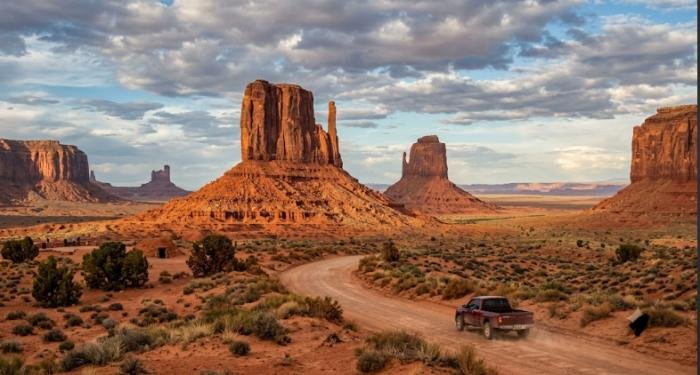
Monument Valley Visitor Guide Maps, Tours & Photo Tips
Planning a trip to Monument Valley can feel overwhelming, especially if it’s your first visit. With so many viewpoints, guided tours, scenic routes, photography spots, and seasonal considerations, it’s easy to miss some of the area’s most unforgettable experiences or arrive unprepared. Many travelers also struggle to decide whether a self-guided drive is enough or if a Navajo-led tour is worth the investment.
You’ll discover the best attractions, easy-to-follow map information, expert tour recommendations, practical travel advice, and photography tips to help you capture the valley at its most spectacular. Whether you’re planning a short stop on a Southwest road trip or a dedicated adventure, this Monument Valley visitor guide will help you plan confidently, explore responsibly, and create memories that last a lifetime.
Where Is Monument Valley?
Monument Valley is situated within the Navajo Nation Reservation along the Arizona–Utah border in the southwestern United States. Although many people assume it is a national park, the area is actually managed by the Navajo Nation as a tribal park, preserving both its spectacular scenery and cultural heritage.
The valley is famous for its enormous red sandstone formations that rise hundreds of feet above the desert floor. Over millions of years, wind and water erosion sculpted these remarkable buttes, mesas, and spires into the landscape visitors see today.
Read More: Dungeon Village Beginner Tips and Strategies for Success
How to Get There
Driving is the easiest and most popular way to reach Monument Valley. The park is easily accessible from several well-known destinations:
- Approximately 2.5 hours from Page, Arizona
- Around 3 hours from Moab, Utah
- About 3.5 hours from Flagstaff, Arizona
- Roughly 4 hours from the Grand Canyon South Rim
Travelers flying into the region usually rent a car from airports in Flagstaff, Phoenix, Las Vegas, or Salt Lake City before continuing their scenic road trip.
Using Maps for Your Visit
Downloading offline maps before your trip is highly recommended, as mobile phone coverage can be limited throughout the area. Most GPS navigation systems accurately guide visitors to the Monument Valley Navajo Tribal Park Visitor Center, where you’ll find maps, parking, restrooms, and helpful visitor information.
A Brief History of Monument Valley
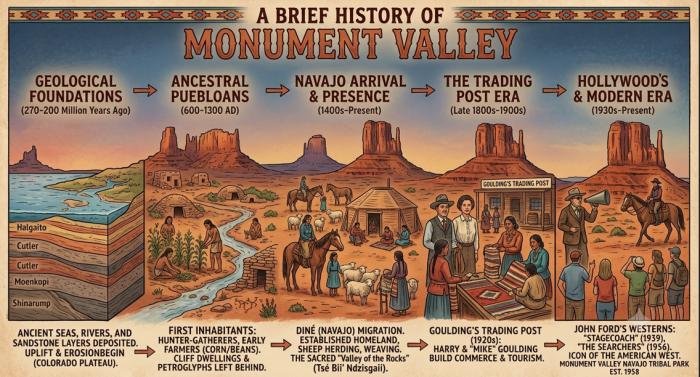
Long before becoming a world-famous travel destination, Monument Valley was—and continues to be—a sacred homeland for the Navajo people. The towering rock formations are woven into traditional stories, ceremonies, and cultural beliefs that have been passed down through generations.
Geologists estimate that these iconic sandstone formations were created over millions of years through natural erosion. Layers of ancient sediment gradually transformed into towering buttes and mesas, creating one of the most recognizable desert landscapes on Earth.
The valley gained international fame during the early 20th century when Hollywood director John Ford used its dramatic scenery as the backdrop for classic Western films. Since then, Monument Valley has appeared in numerous movies, television shows, commercials, and travel documentaries, inspiring millions of visitors to experience its beauty firsthand.
Best Time to Visit Monument Valley
Choosing the right season can greatly improve your experience in Monument Valley. Spring (March to May) and fall (September to November) are considered the best times to visit. During these months, temperatures are pleasant, skies are often clear, and lighting conditions are excellent for photography.
Summer offers long daylight hours but can be extremely hot, especially during the afternoon. Visitors should carry plenty of water, wear sun protection, and plan outdoor activities during the cooler morning or evening hours.
Winter provides a quieter experience with fewer crowds. On rare occasions, light snowfall transforms the famous red rock formations into a stunning and unusual landscape that photographers especially appreciate. For the most dramatic images, plan to visit during sunrise or sunset, when warm golden light enhances the colors and textures of the towering sandstone formations.
Monument Valley Scenic Drive and Top Attractions
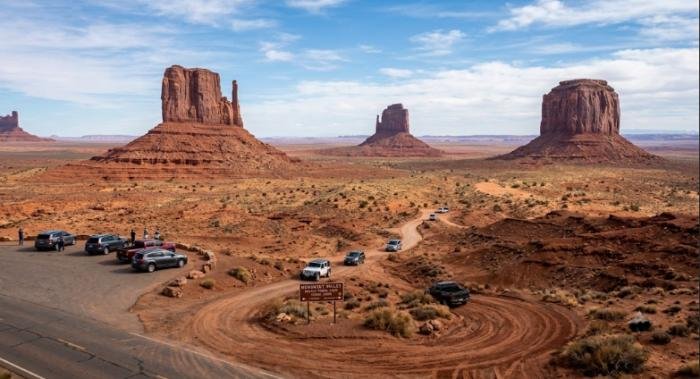
One of the highlights of visiting Monument Valley is the famous 17-mile (27-kilometer) Scenic Drive. This self-guided route takes visitors through some of the park’s most breathtaking landscapes, offering close-up views of towering sandstone formations, wide desert plains, and panoramic viewpoints. The drive is mostly unpaved, so driving slowly is recommended, especially after rain when sections of the road can become rough.
Most travelers spend between two and four hours completing the Scenic Drive, depending on how often they stop for photos and sightseeing. While standard passenger vehicles can usually complete the route in dry weather, checking current road conditions at the Visitor Center before starting your journey is always a smart idea.
Must-See Attractions Along the Scenic Drive
The Mittens: No visit is complete without seeing the East and West Mitten Buttes. These iconic rock formations resemble giant mittens rising from the desert floor and are among the most photographed landmarks in the American Southwest. They are especially beautiful during sunrise when soft golden light illuminates the red sandstone.
Merrick Butte: Standing near the Mittens, Merrick Butte adds another impressive feature to the landscape. Named after a prospector from the late 1800s, this massive formation creates one of the valley’s most recognizable panoramic scenes.
John Ford Point: Named after legendary filmmaker John Ford, this viewpoint became famous through classic Western movies. Visitors can enjoy sweeping views across the valley while imagining scenes from some of Hollywood’s most iconic films. Local Navajo vendors often display handmade crafts nearby, providing an opportunity to support local artisans.
Artist’s Point: Artist’s Point is considered one of the finest viewpoints in Monument Valley. From this elevated overlook, visitors can capture dramatic photographs of multiple buttes stretching across the desert landscape. Early morning and late afternoon offer the most attractive lighting conditions.
Totem Pole: Unlike the broad buttes found elsewhere in the valley, Totem Pole is a tall, slender sandstone spire that showcases the incredible effects of erosion over millions of years. Because of its delicate structure, climbing is prohibited to help preserve this natural landmark.
Elephant Butte: As the tallest formation within the tribal park, Elephant Butte stands as another geological masterpiece. Its shape resembles an elephant from certain angles, making it an interesting stop for both sightseeing and photography.
Guided Tours: Are They Worth It?
Although many visitors explore independently, booking a guided tour offers a deeper understanding of Monument Valley. Local Navajo guides share stories, cultural traditions, and historical knowledge that cannot be experienced on a self-guided drive alone.
Many guided tours also provide access to restricted areas that are closed to private vehicles. These exclusive locations feature arches, ancient petroglyphs, hidden rock formations, and quiet viewpoints rarely seen by independent travelers. Popular tour options include:
- Sunrise photography tours
- Sunset sightseeing tours
- Cultural heritage tours
- Off-road Jeep adventures
- Private photography workshops
Photography Tips for Monument Valley
Photographers of every skill level will find endless opportunities throughout Monument Valley. The changing light creates dramatically different moods throughout the day, making careful planning worthwhile.
Visit During Golden Hour
The hour after sunrise and the hour before sunset provide the softest, warmest light. During these times, long shadows add depth and texture to the sandstone formations, producing stunning landscape images.
Bring the Right Equipment
A wide-angle lens is perfect for capturing expansive desert vistas, while a telephoto lens helps isolate distant buttes and reveal intricate rock textures. A sturdy tripod is useful for sunrise, sunset, and night photography, especially if you plan to capture stars above the desert.
Use Leading Lines
Roads, trails, and natural rock formations can guide the viewer’s eye through an image. Including foreground elements such as desert shrubs or winding dirt roads adds depth and visual interest.
Respect Local Regulations
Drone photography is generally restricted within the tribal park unless special permission has been granted by Navajo authorities. Visitors should also remain on designated roads and viewpoints to help protect fragile desert ecosystems and respect culturally significant sites.
Where to Stay Near Monument Valley
Choosing the right accommodation can make your trip to Monument Valley even more enjoyable. Whether you’re looking for a comfortable hotel, a rustic campground, or an unforgettable desert sunrise from your room, there are options for every travel style and budget.
Hotels and Lodges
The most convenient place to stay is near the Monument Valley Navajo Tribal Park. Lodges in this area offer spectacular views of the famous sandstone buttes, allowing guests to enjoy sunrise and sunset without traveling far. Booking several months in advance is recommended, especially during spring and fall when visitor numbers are highest.
Campgrounds
Camping is an excellent option for travelers who want to experience the peaceful desert environment. Spending the night under a sky filled with stars is one of the highlights of visiting Monument Valley. Be sure to check campground rules and weather conditions before your trip, as desert temperatures can change dramatically between day and night.
Budget-Friendly Options
If accommodations near the park are fully booked or outside your budget, nearby towns offer affordable hotels, motels, and vacation rentals. Staying a short drive away can also provide additional dining and shopping choices while still allowing easy access to the valley.
Suggested Monument Valley Itineraries
Half-Day Visit
If you’re short on time, begin at the Visitor Center to enjoy panoramic views and gather maps. Continue with the Scenic Drive, stopping at famous viewpoints such as The Mittens, John Ford Point, and Artist’s Point. Finish your visit by watching the sunset, when the desert landscape glows with warm colors.
One-Day Adventure
A full day allows you to experience much more of Monument Valley. Start with sunrise photography, complete the Scenic Drive at a relaxed pace, enjoy lunch nearby, and join a guided Navajo cultural tour in the afternoon. End the day with stargazing if weather conditions are clear.
Two-Day Experience
Visitors with two days can explore at a slower pace while fully appreciating the area’s natural beauty and cultural heritage. Spend one day sightseeing and photography, then dedicate the second day to guided tours, nearby viewpoints, local shopping, and learning about Navajo traditions.
Essential Travel Tips
Planning ahead can help you enjoy a smooth and memorable visit to Monument Valley.
- Carry plenty of drinking water, especially during summer.
- Wear comfortable walking shoes and lightweight clothing.
- Bring sunscreen, sunglasses, and a wide-brimmed hat.
- Download offline maps before arriving, as mobile service is limited.
- Keep your camera batteries fully charged and carry extra memory cards.
- Respect all signs and stay on designated roads and trails.
- Check weather forecasts before beginning the Scenic Drive.
Remember that Monument Valley is part of the Navajo Nation. Respect local customs, avoid entering restricted areas, and always ask permission before photographing local residents or cultural events.
Nearby Attractions Worth Visiting
Many travelers include Monument Valley as part of a larger Southwest road trip. Several incredible destinations are located within a few hours’ drive, making it easy to extend your adventure.
Popular nearby attractions include Forrest Gump Point, where one of the movie’s most famous scenes was filmed, Valley of the Gods, known for its scenic backcountry drive, Goosenecks State Park, which offers dramatic canyon views, and Antelope Canyon and Horseshoe Bend, two of Arizona’s most photographed natural wonders.
Combining these destinations with Monument Valley creates an unforgettable itinerary filled with breathtaking landscapes, unique cultural experiences, and exceptional photography opportunities. Whether you’re a first-time visitor or returning to explore more deeply, careful planning and a spirit of adventure will ensure your journey is both rewarding and memorable.
Monument Valley Travel Planning
| Category | Recommendation |
| Best Time to Visit | Spring (March–May) and Fall (September–November) |
| Recommended Visit Length | 1–2 Days |
| Main Attraction | 17-mile Scenic Drive |
| Best Photography Time | Sunrise and Sunset |
| Ideal Vehicle | Passenger car in dry weather; SUV recommended after rain |
| Entrance Point | Monument Valley Navajo Tribal Park Visitor Center |
| Guided Tours | Highly recommended for cultural insights and restricted areas |
| Mobile Network | Limited coverage; download offline maps |
| What to Pack | Water, sunscreen, hat, camera, sturdy shoes, offline map |
| Suitable For | Families, photographers, couples, solo travelers, road trips |
Conclusion
A visit to Monument Valley is much more than a sightseeing trip—it’s an opportunity to experience one of the world’s most iconic desert landscapes while learning about the rich traditions of the Navajo Nation. From the breathtaking Scenic Drive and legendary viewpoints to guided cultural tours and unforgettable sunrise photography, every part of the journey offers something unique.
Planning ahead, respecting local customs, and allowing enough time to explore will help you make the most of your adventure. Whether you’re visiting for a few hours or spending several days discovering the region, Monument Valley promises lasting memories, incredible photographs, and a deeper appreciation for the natural beauty and cultural heritage of the American Southwest.
FAQs Monument Valley
Q1: Is Monument Valley worth visiting?
Ans: Yes. Monument Valley is one of the most iconic landscapes in the American Southwest, offering spectacular desert scenery, rich Navajo culture, scenic drives, and world-class photography opportunities.
Q2: How long should I spend in Monument Valley?
Ans: Most visitors enjoy spending one full day exploring the Scenic Drive, viewpoints, and Visitor Center. Photography enthusiasts or travelers taking guided tours may prefer a two-day visit.
Q3: Can I drive through Monument Valley without a guide?
Ans: Yes. Visitors can drive the Scenic Drive independently when road conditions permit. However, guided tours provide access to restricted areas and offer valuable cultural insights from Navajo guides.
Q4: What is the best month to visit Monument Valley?
Ans: April, May, September, and October are generally considered the best months because temperatures are comfortable, skies are usually clear, and lighting conditions are excellent for sightseeing and photography.
Q5: Is Monument Valley suitable for families?
Ans: Absolutely. Families can enjoy scenic viewpoints, easy sightseeing, cultural experiences, and educational opportunities. Children often find the towering rock formations especially fascinating.
Q6: Are drones allowed in Monument Valley?
Ans: Drone use is generally prohibited within the tribal park unless special permission has been granted by the Navajo Nation. Always check current regulations before your visit.
Q7: What should I pack for Monument Valley?
Ans: Bring drinking water, sunscreen, comfortable walking shoes, a hat, sunglasses, a camera, snacks, and offline maps. During cooler months, carrying a light jacket is also recommended.